relocate a detachable container hous
The concept of a detachable container house has gained significant popularity in recent years due to its versatility and practicality. One of the key advantages of this type of housing is its relocatability, which raises the important question of how easy it is to relocate a detachable container house. Unlike traditional homes, which require extensive demolition and reconstruction if a move is necessary, detachable container houses are specifically designed for mobility. Their modular structure allows them to be dismantled, transported, and reassembled with relative ease, making them an attractive solution for individuals or businesses that require flexible living or working spaces.
The ease of relocating a detachable container house is largely attributed to its modular design. These homes are constructed using standardized units or sections that can be connected or disconnected without compromising structural integrity. The modular components are designed for lifting and transport, often using cranes, trucks, or other heavy equipment. This design feature significantly reduces the complexity and labor required for moving the house compared to conventional buildings. For many homeowners or commercial operators, this modularity translates into a practical and cost-effective way to move a home without the need for permanent construction work at each new location.
Another factor that contributes to the simplicity of relocating a detachable container house is the use of lightweight but durable materials. Many detachable container houses are made with steel frames, insulated panels, and prefabricated components that can withstand the rigors of transport while remaining manageable in terms of weight. These materials provide structural strength while allowing the units to be moved safely using standard logistics equipment. The lightweight nature of these houses also means that relocation can be accomplished in stages, reducing the risk of damage and minimizing the need for specialized machinery in some cases.
The transportation of a detachable container house is generally straightforward because the units are designed to conform to standard shipping dimensions. This means they can be transported using conventional trucks, flatbed trailers, or even shipping containers in some cases. The standard sizing simplifies planning for transport routes, permits, and loading equipment, ensuring that the relocation process is efficient. Additionally, because the house can be broken down into individual modules, each section can be moved independently, allowing for greater flexibility when navigating tight spaces or complex terrain.
Site preparation is another aspect that affects how easy it is to relocate a detachable container house. Unlike traditional homes, which often require extensive foundation work, detachable container houses can be installed on simple support systems, such as concrete piers or adjustable blocks. This minimal foundation requirement makes it easier to dismantle the house and move it to a new location without leaving a permanent footprint. The ease of setup and teardown at each site enhances the overall practicality of detachable container houses for people who anticipate needing to relocate frequently.
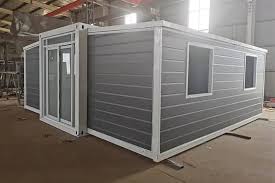
How easy is it to relocate a detachable container house?
The assembly and reassembly process of a detachable container house has also been optimized for efficiency. Most manufacturers provide detailed instructions and modular systems that can be quickly connected on-site. The design allows utilities such as plumbing, electricity, and HVAC systems to be integrated with minimal effort, ensuring that the house remains functional after relocation. This streamlined assembly process reduces downtime between moving the units and resuming occupancy, which is particularly beneficial for businesses, temporary housing, or emergency shelters that rely on rapid deployment.
Another advantage of relocating a detachable container house is cost-effectiveness. Traditional relocation of a permanent building can be prohibitively expensive due to the labor, materials, and infrastructure involved. In contrast, moving a detachable container house generally involves lower costs because the process is simplified and requires fewer resources. The ability to reuse existing modules and avoid extensive reconstruction makes it an economical option for both residential and commercial applications. This affordability further enhances the attractiveness of detachable container houses as a flexible housing solution.
Environmental considerations also support the ease of relocating detachable container houses. By allowing units to be moved and reused, these homes reduce the need for new construction and minimize material waste. Instead of demolishing and rebuilding structures, homeowners or businesses can simply relocate existing units, contributing to sustainability and reducing the environmental impact associated with traditional construction. This aspect of detachable container houses aligns with the growing demand for eco-friendly and resource-efficient housing solutions.
In conclusion, a detachable container house offers significant advantages when it comes to mobility and flexibility. The modular design, lightweight and durable materials, standardized dimensions, minimal foundation requirements, and optimized assembly processes all contribute to the ease of relocation. Whether used for residential purposes, temporary offices, or emergency shelters, these houses can be dismantled, transported, and reassembled efficiently, making them a practical and cost-effective alternative to traditional housing. The convenience, affordability, and environmental benefits of relocating a detachable container house make it an appealing choice for anyone seeking flexible and sustainable living or working solutions in today’s fast-paced and dynamic environment.